
The Third Course!
Hello Everyone! It’s that time of week again where we get an extra helping of the Food for Thought blog, Bon Appetite (I’ll stop the food puns I swear)!
As a quick recap in my last post I discussed the first lesson in the sustainable food pilot that my colleagues and I at SustainED are implementing in a grade six classroom. In this first lesson, we focused on making the concept of food personal, which relates to student lives and cultural backgrounds. In doing so we hoped to foster engagement in the students as we continued with the curriculum, discussing many food related issues. In this post I will be discussing how we targeted different subjects to incorporate elements of food sustainability in the classroom.
Before discussing the new lesson, I think it’s important to talk about the culminating goal in the pilot curriculum: This goal is to allow students to choose a food recipe, and as we learn new content in lessons, students will then redesign that recipe to be more sustainable. I’ll talk more about the criteria later, as this will tie into the lessons I will be covering in later posts.
When creating a lesson to fit into both math and geography curriculums my colleagues and I decided on making a lesson that has students map where their recipe ingredients came from. Many of the students chose European countries such as Italy, France, and Spain after researching where their food ingredients came from. During this research period in the class, I chuckled a bit in my head as one of the students was set on confirming that all their spaghetti and meatball ingredients came from Italy. Even though this student had all of their ingredients in the same country (separate regions in Italy), they were able to still gain value from the next part of the lesson. After students mapped where their ingredients were on the map, we instructed students how to calculate the distance from these areas to Toronto using an atlas. After the distance was calculated, students were then allowed to use their phones to go onto a website that allowed them to calculate Greenhouse Gas Emissions, based off of the distances they wrote down.
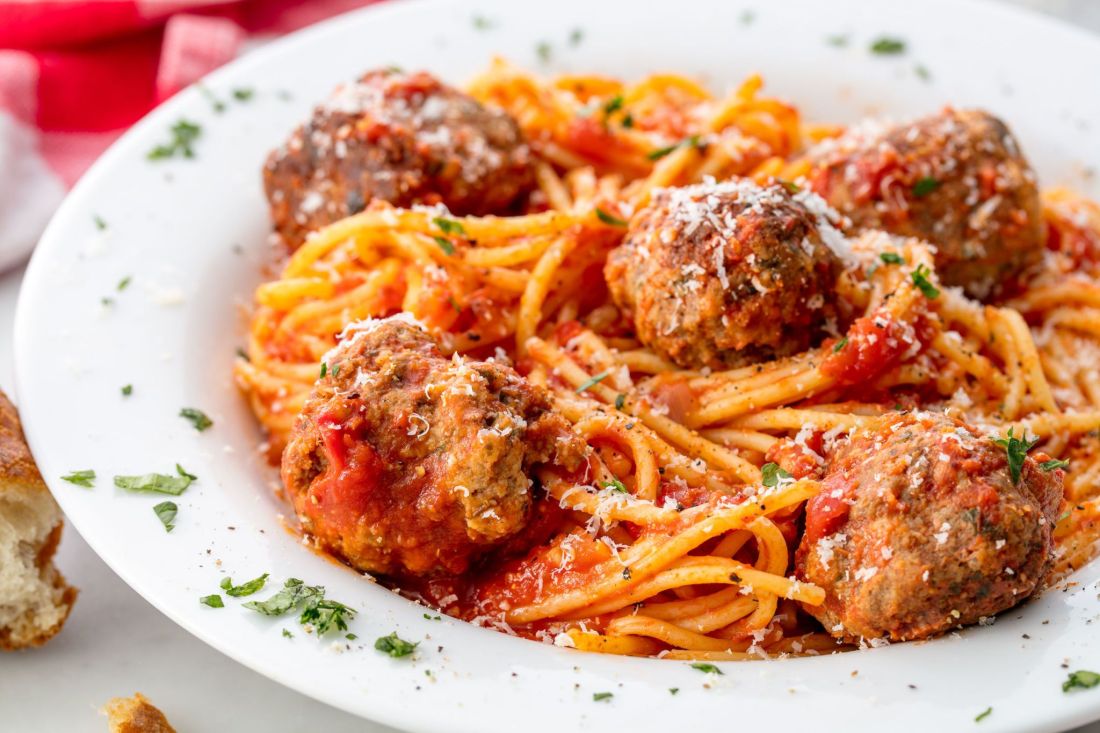
What’s cool about some of these websites is that not only is the GHG calculated in a measurable quantity, but it also converts the energy wasted into measurements students can visualize and relate to. An example I saw from the student mentioned earlier is that their Italian ingredients created GHG emissions equal to the amount of energy in 104 full cell phone charges. Imagine the look on this student’s face staring at their phone in disbelief, when reading what those ingredients equaled to. I found this to be an amazing revelation for students, as it was not only limited to that one student, but rather many of the students had similar reactions to stats they can relate to their personal lives. This is important as the lesson relates to a study by Sadegholvad et al, where they identify globalization of the food supply having an impact on the economy and environment (Sadegholvad et al. 2017; p. 7). Our focus in this curriculum is to look at the environmental impact, but the affordability of food will come up in future lessons such as our analysis of food deserts.
Looking back on the lesson, the formulas we provided helped the students calculate the distance using a scale provided in the atlas, which ties into math. Having the students research about their ingredients, and the countries they may come from, as well as understanding the world using the atlas relates to the geography curriculum. In hindsight however, I feel that I only hit my learning goals of optimally implementing food sustainability in the classroom and relating this content to student lives. I found that the lesson was technology heavy to calculate the GHG emissions, and that we as a team were lucky that students had access to devices for this class. This technology use was necessary though for establishing the GHG emissions that students would later try to reduce as the curriculum continued, to create a more sustainable recipe and creating that personal relationship to the content for the students.
This is all the time I have for today, and I’ll see you all in the next blog post. Stay hungry for further updates!
Work Cited:
Sadegholvad, S., Yeatman, H., Parrish, A.-M., & Worsley, A. (2017). What Should Be Taught in Secondary Schools’ Nutrition and Food Systems Education? Views from Prominent Food-Related Professionals in Australia. Nutrients, 9(11), 1207. doi:10.3390/nu9111207
Pictures Used:
Cover Image Retrieved From:
Pasta and Meatballs Image Retrieved From:
https://www.delish.com/cooking/recipe-ideas/recipes/a55764/best-spaghetti-and-meatballs-recipe/
 Food For Thought