Reflecting on Dessert

Hello again everyone, it’s time for the final blog (or rather the dessert course) in my food sustainability blog series. This entry is a little different from the rest, rather than talk about new experiences I want to take this time to reflect and share my insights with everyone. Without further ado, Bon Appetite!

Insights on approaches to and values of Experiential Education

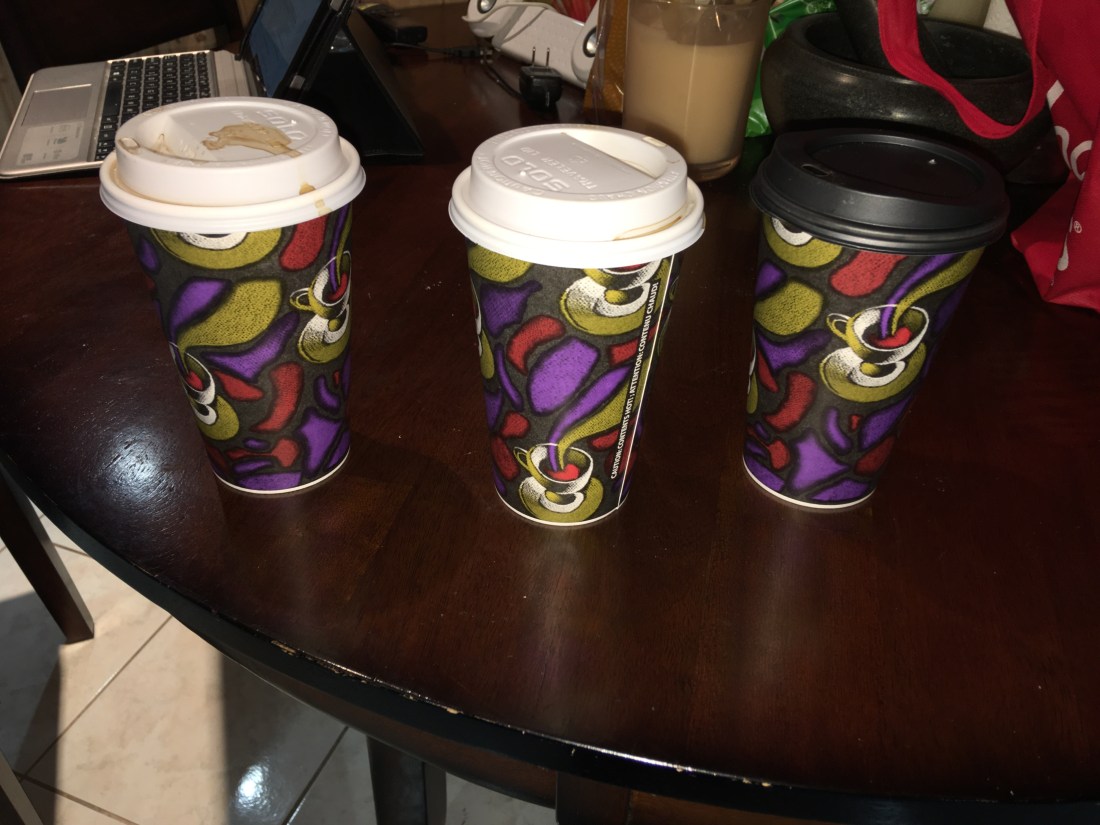
Reflecting on my experiences with SustainED and Cummer Valley Middle School I feel that my time has been very positive with both parties. I really find merit when it comes to experiential learning, as not only does it have the power to transform learners through hands-on education, but it also transformed me as a person when I worked alongside my students. Prior to the placement, I had very bad life style habits when it came to sustainability. I am a HUGE coffee addict, and I usually neglected to bring my own reusable mug/thermos, because I felt that I was in too much of a rush to pack or wash it. When I saw myself making food sustainability education personal to my students, it also became personal to me as I wanted to be a good role model for my students just learning about sustainable food choices for the first time. I mean, why would my students listen to me about sustainability, if I made little to no effort to be sustainable myself?
IMG_0580

This is where I believe this personal touch of experiential education is relevant to classroom teachers. By making education personal, both students and teachers become more invested in the content. This investment comes with a feeling of authenticity (or an indescribable personal feeling) that has this energy of deep learning, at least this is what I feel based off my own experiences.

Goals of global citizenship?

When I think about my experiences from a global citizenship lens, I feel that the curriculum touched on many aspects that have students thinking about global citizenship. I found that the team and I planned lessons that focused not only on personal connections with the students, but aimed to have students critically think about the world around them. We as a team took that personal connection, and directed the students in asking themselves “What does this mean for me?”. This was seen in many of our activities such as calculating greenhouse gas emissions, how much wrapping does each food item come with, and how much waste are creating considering the wrapping and portion sizes. The activities usually presented a “That’s cool!” followed by a surprised “Woah!” response. If Cummer Valley was a more technology integrated school I feel we could have optimized our lessons that promoted critical thinking, and we may have overcome our biggest obstacle, which was time constraints found in elementary/middle school classrooms. It was because of these time constraints we found ourselves cutting important material on nutrition, food deserts, and the impact food waste has on our environment.

ball shaped blur close up focus
Photo by Porapak Apichodilok on Pexels.com

Reflective Practice?

When considering the needs of SustainED and Cummer Valley Middle School, I believe that Oba and myself met the needs of the site, and I know that I accomplished my learning goals. To recap my learning goals revolved around getting students engaged in sustainability education, learning how to teach a new age group of students, and trying to plan lessons that did not rely too heavily on technology (Which made me sad because technology is my passion!). I found the biggest obstacle for my learning goals were jumping out of my comfort zone and minimizing technology use. In doing so, I now know that I’m adaptable in how I support my own teaching practice.

When thinking about SustainED, I feel I really did contribute to the organization’s goals, I only wish I was there earlier as I feel my roughly four-month period with them was shorter than I would have liked. I can’t say for certainty how the students felt at Cummer Valley at the end of the curriculum, because unfortunately I was unable to make it to the final classes due to my practicum. I feel the one thing I would change IF I had the power is to change my practicum time so I could have experienced the end of the students’ journeys learning about food sustainability.

On a more inspirational note, I feel that I will incorporate sustainability education into my high school teachable subjects of social sciences and religion. In social sciences I feel that scenarios case studies would be the easiest way to incorporate this knowledge to students. However, I feel that in religion rather than focus on case studies and topics, the focus should be placed on the Catholic Graduate Expectations (CGE’s), and experiential learning. The CGE’s I find overlap somewhat with ideas and concepts that are found in Global Citizenship education, and I was inspired by one of my old associate teachers that content in religion should be taught in an experiential way (This is for many reasons! However, he kept insisting the textbooks were outdated… which is true!). I find it  fitting that my time at OISE began and ended with a form of experiential learning, and I am thankful for all of the opportunities I was given throughout my program.

Unfortunately, that’s all the time I have for this blog series. I wish to thank all of you for following my journey into food sustainability education, and I hope to see you all as I continue to academically blog throughout my career!

Until next time my friends!

The Sweet Toothed….Teacher?

Kantaro 2

Image Sources

Cover and Final Image: Kantaro The Sweet Toothed Salaryman (2017), Netflix and TV Tokyo

Globe Picture: Provided by Porapak Apichodilok, through Pexels and WordPress free photo library.

Coffee Cups:  Own Personal Photo
Preparing the Entree

Hi everyone, It’s time for the main course of this food sustainability blog series!

Setting the Table

Before we dig in, we have a quick recap. For this service-learning project, I have been working with a non-profit organization called SustainED, which is working to implement sustainability education into classroom curriculum. When I joined up with SustainED the focus/theme of this education for the current semester was food sustainability in a local middle school. In previous posts, I discussed how we created content to make food sustainability more personally relevant with students, and I gave an example of one of our activities where students mapped out ingredients of a recipe that created, determining the amount of GHG (Green House Gas) emissions were created in bringing their ingredients to Toronto.

To preface my discussion about the final culminating project in our curriculum I wish to reference an article by Jones et al. on their research of food sustainability education and how to explore it:

Climate change, biodiversity, animal welfare, local economic development, social justice and cultural regeneration aspects of food are topics that may create alternative routes for health education messages. Furthermore, food sustainability, as an overarching theme, may offer the opportunity to re-energize multi-component health programmes in schools as a conceptually coherent set of practices (Jones et al., p. 449; 2012).

Before continuing I just wish to emphasize is, I feel the purpose of this food sustainability pilot curriculum is aligned with what is being said by Jones et al. As I mentioned earlier, we tried making food sustainability personal for students, and I feel that SustainED is focusing on things like climate change and cultural messages when implementing this curriculum into classrooms. The only difference to the paper in my eyes, is that were not aligned with a health class, but rather focus on implementing food sustainability in many subjects.

The Final Dish of The Curriculum

I mentioned in previous posts that the culminating project in the curriculum was having students redesign a food recipe they chose at the beginning of the curriculum, in order to make it more sustainable. The project specifically looked at: reducing the cost of ingredients, finding closer locations to reduce GHG emissions, and finding proper portions and containers to reduce food waste and garbage. What I personally liked about the culminating project is not only did it build on knowledge students gained during the curriculum, but it raised awareness on how food sustainability could be tackled from different angles.

What resonates with me more specifically in the project is how the choice of food containers ties into sustainability, and I know that I’m at fault when buying large amounts of coffee without bringing a reusable thermos (Sorry Oba!).

And…comically I remember bringing in a self-made recipe for chicken fried rice in Grade 3 that required 100 chickens, imagine the food waste! (Once again, sorry Oba!).

What I’m getting at is how different aspects have the potential to appeal to different students, much how we view our learning styles. I think back to when one student sourced all the ingredients in his spaghetti meatball recipe to Italy, and now that he’s asked to find locations closer to Toronto, he might be excited to see his dramatic reduction of GHG emissions.

Washing the Dishes

Unfortunately, due to the timing of our research paper, I’m sad to say that even though I designed the culminating project, I was unable to see how the students reacted to what their work built up to. I felt like a chef that serves food to their customers but stays in the kitchen not knowing what is being said about the food.

I enjoyed the process of creating the project, but I do admit I felt very stressed at the time juggling the demands of the program in addition to volunteering and admittedly having an unrelated poor day of teaching that week. What I do appreciate about the process, however, is learning how to juggle these demands, and feelings of life in a way that does not hinder my passion of teaching. All good cooking needs love in practice, and I feel the same about teaching and education.

Busy Chef

In my next blog, I’ll explore my feelings more regarding the curriculum, and hopefully will have accounts from my colleagues of how the students reacted to the culminating project.

Until next time, save room for the dessert!

Reference and Pictures:

Jones, M., Dailami, N., Weitkamp, E., Salmon, D., Kimberlee, R., Morley, A., & Orme, J. (2012). Food sustainability education as a route to healthier eating: Evaluation of a multi-component school programme in english primary schools. Health Education Research, 27(3), 448-458. doi:10.1093/her/cys016

Cover Image (Cook Kirby): From Nintendo’s Kirby Star Allies (2018), Retrieved From : https://kirby.fandom.com/wiki/Cook

Busy Chef, Retrieved From: https://pngtree.com/freepng/busy-chef_2886988.html

Where in the World Does our Food Come From?

The Third Course!

Hello Everyone! It’s that time of week again where we get an extra helping of the Food for Thought blog, Bon Appetite (I’ll stop the food puns I swear)!

As a quick recap in my last post I discussed the first lesson in the sustainable food pilot that my colleagues and I at SustainED are implementing in a grade six classroom. In this first lesson, we focused on making the concept of food personal, which relates to student lives and cultural backgrounds. In doing so we hoped to foster engagement in the students as we continued with the curriculum, discussing many food related issues. In this post I will be discussing how we targeted different subjects to incorporate elements of food sustainability in the classroom.

Before discussing the new lesson, I think it’s important to talk about the culminating goal in the pilot curriculum: This goal is to allow students to choose a food recipe, and as we learn new content in lessons, students will then redesign that recipe to be more sustainable. I’ll talk more about the criteria later, as this will tie into the lessons I will be covering in later posts.

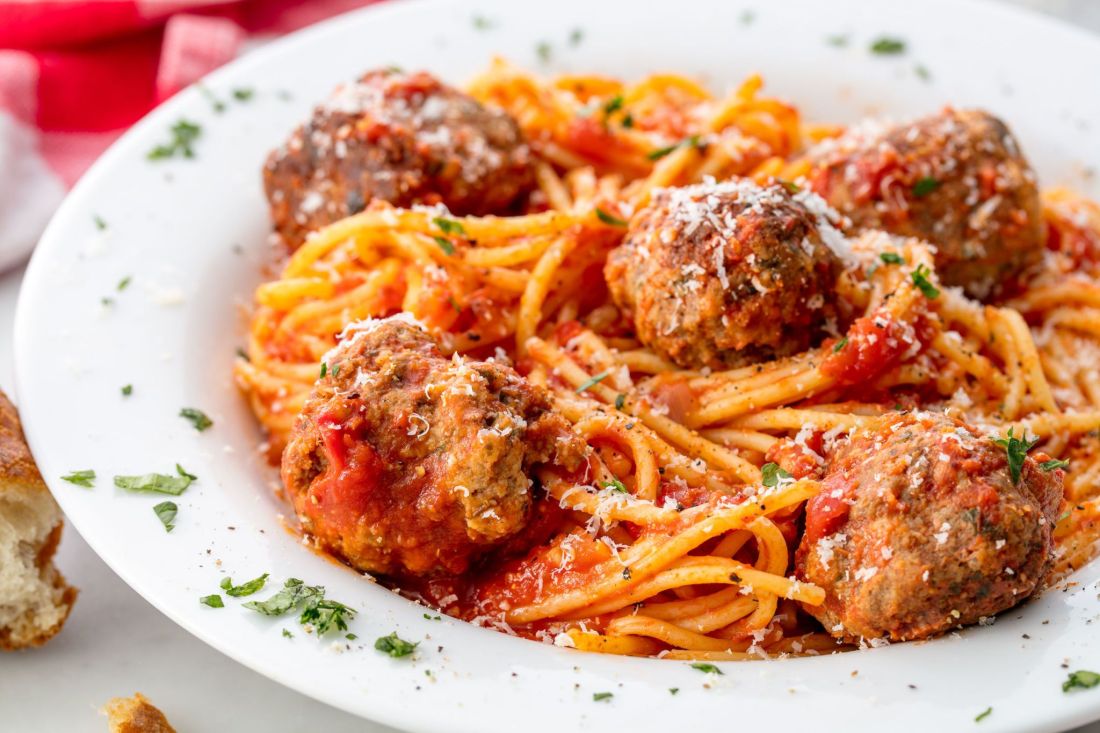
When creating a lesson to fit into both math and geography curriculums my colleagues and I decided on making a lesson that has students map where their recipe ingredients came from. Many of the students chose European countries such as Italy, France, and Spain after researching where their food ingredients came from. During this research period in the class, I chuckled a bit in my head as one of the students was set on confirming that all their spaghetti and meatball ingredients came from Italy. Even though this student had all of their ingredients in the same country (separate regions in Italy), they were able to still gain value from the next part of the lesson. After students mapped where their ingredients were on the map, we instructed students how to calculate the distance from these areas to Toronto using an atlas. After the distance was calculated, students were then allowed to use their phones to go onto a website that allowed them to calculate Greenhouse Gas Emissions, based off of the distances they wrote down.

CEL Blog 3 second picture

What’s cool about some of these websites is that not only is the GHG calculated in a measurable quantity, but it also converts the energy wasted into measurements students can visualize and relate to. An example I saw from the student mentioned earlier is that their Italian ingredients created GHG emissions equal to the amount of energy in 104 full cell phone charges.  Imagine the look on this student’s face staring at their phone in disbelief, when reading what those ingredients equaled to. I found this to be an amazing revelation for students, as it was not only limited to that one student, but rather many of the students had similar reactions to stats they can relate to their personal lives. This is important as the lesson relates to a study by Sadegholvad et al, where they identify globalization of the food supply having an impact on the economy and environment (Sadegholvad et al. 2017; p. 7). Our focus in this curriculum is to look at the environmental impact, but the affordability of food will come up in future lessons such as our analysis of food deserts.

Looking back on the lesson, the formulas we provided helped the students calculate the distance using a scale provided in the atlas, which ties into math. Having the students research about their ingredients, and the countries they may come from, as well as understanding the world using the atlas relates to the geography curriculum. In hindsight however, I feel that I only hit my learning goals of optimally implementing food sustainability in the classroom and relating this content to student lives. I found that the lesson was technology heavy to calculate the GHG emissions, and that we as a team were lucky that students had access to devices for this class. This technology use was necessary though for establishing the GHG emissions that students would later try to reduce as the curriculum continued, to create a more sustainable recipe and creating that personal relationship to the content for the students.

This is all the time I have for today, and I’ll see you all in the next blog post. Stay hungry for further updates!

Work Cited:

Sadegholvad, S., Yeatman, H., Parrish, A.-M., & Worsley, A. (2017). What Should Be Taught in Secondary Schools’ Nutrition and Food Systems Education? Views from Prominent Food-Related Professionals in Australia. Nutrients, 9(11), 1207. doi:10.3390/nu9111207

Pictures Used:

Cover Image Retrieved From:

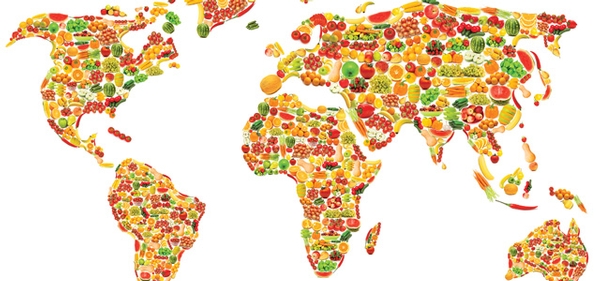
https://www.foodsafetymagazine.com/magazine-archive1/junejuly-2014/ifte28099s-global-food-traceability-center-untangling-the-food-supply-chain/

Pasta and Meatballs Image Retrieved From:

https://www.delish.com/cooking/recipe-ideas/recipes/a55764/best-spaghetti-and-meatballs-recipe/


The Personal Comfort of Food

Hi everyone! It’s time for my next entry in my Food For Thought Series. Recapping from my last post, I am currently volunteering with a non-profit organization called SustainED, which is designing and piloting a short Food Sustainability curriculum into a middle school. Since my last post, I’ve been working with my colleagues in designing lesson plans for the curriculum, and I was able to implement a couple of those lessons already with a few of my colleagues!

First impressions, I feel that I am achieving my targeted learning goals: Creating lessons that are educational and engaging for students using little classroom technology, learning how to optimally implement food sustainability that relates to curriculum expectations, and to learn how to relate food sustainability to the lives of the students using lesson design and instruction. The biggest obstacle that I faced however, is my inexperience in the middle-school classroom structure, where the periods are shortened to around 45-minutes. I personally felt that the classes are a mad-dash and it has me worried that students may not have meaningful learning.

For our first lesson we designed it to be more personal, where students would identify what food meant to them, emphasizing diverse cultures in the class and the students’ memories. The students (and myself) were very excited, where I found their energy towards learning refreshing. My colleague led the class, where I acted like a monitor interacting with students as they completed their activities. I found that during this time, the students were excited to learn about food and each other as they talked about memories. The reasoning behind linking food personally to the students is to set their mentality in understanding how food affects them, and in turn as the lessons advance the effects they have on food and the environment. This relates to a study by Jay Shuttleworth I read that looks at how food sustainability is taught through social issues. In this study he speaks of the learning goals of a social studies teacher is to “aim to spur student discussion about how their decisions may influence other humans as well as ecosystems” (Shuttleworth, 2015). I feel that what Shuttleworth describes as a teacher learning goal, also aligns with how we’re trying to set up the pilot project. By making food personal for the students, it may be easier to redirect their energy in learning about the issues around food sustainability.

I found that this first lesson focused on social studies, as the curriculum fit the personal lens we put on the lesson. Later lessons will include subjects such as science and math as the students will learn topics like how food affects their bodies, and the distance food has to travel to reach our grocery stores. Overall, I’m really excited to be a part of this pilot program, my colleagues, the students, and the host teacher have all been warm and a pleasure to work with. That being said, I’m still trying to adjust to the shorter lesson times, and I’m hoping to get some experience and advice throughout my time at the school, or even blogging.

I find myself asking a few questions at this stage in the curriculum. When planning for middle school students. What are some sustainable options when creating resources for the students to work with? This is because in the program I find that handouts work best with the students, but we end up using a lot of paper. Secondly, how can we ensure deep student learning with the short time frame? I believe that as a teacher when I find myself feeling rushed, there’s a chance students are feeling rushed too. Finally, outside of sustainability, what other important topics can teachers implement into their lessons that extend beyond curriculum expectations? As a social sciences teacher, this question really has me interested as I want to see how we can incorporate other topics and issues using different subjects.

That’s all the time I have for today, until the next course!

References:

Shuttleworth, J. (2015) Teaching the Social Issues of a Sustainable Food Supply, The Social Studies,106(4), 159-169, DOI: 10.1080/00377996.2015.1043602

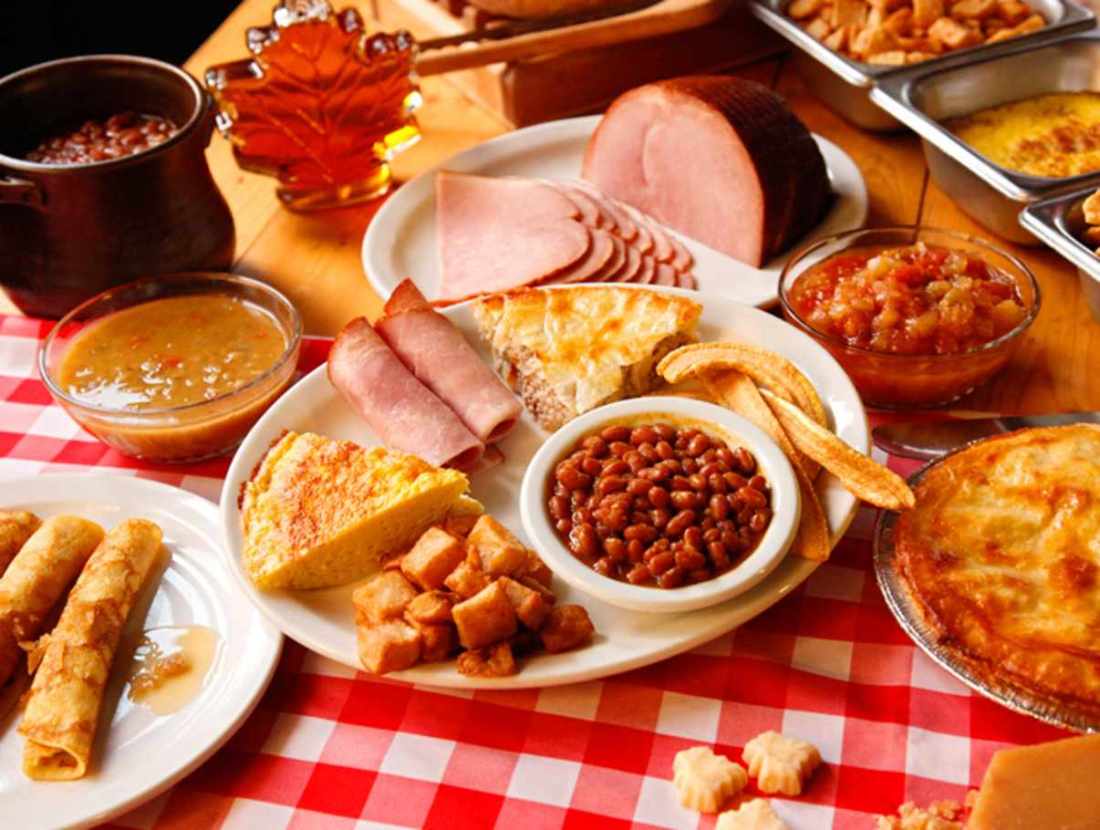
Thumbnail Picture From The Sugar Shack in Quebec. Retrieved From: https://www.quebecregion.com/en/businesses/regional-delights/maple/sugar-shacks/erabliere-du-lac-beauport/


The First Course

Hello Everyone!

I wish to thank all my readers for taking interest in my blog starting with this initial post. This blog will follow my experiences as a Teacher Candidate as I work with a non-profit organization, SustainED in creating a food sustainability curriculum for Grade 6 Classes.

A little about myself before I explain my work and placement with SustainED. I am currently enrolled at OISE (University of Toronto) with Social Science and Religion teachable subjects. My interest as a teacher is to find new ways for technology to supplement curriculum and classrooms in the Intermediate/Senior Grade levels.

I recently joined on with SustainED after hearing about opportunities creating curriculum from one of my peers in the program.  Previously I’ve had no experience outside of my OISE classes in creating a curriculum, and I found that this experience would be invaluable to me as a future teacher. My current role with SustainED is to create a curriculum on food sustainability that is applicable for most (if not all) Grade 6 Teachers. I share this role with current and future teachers as we infuse our own teaching subjects into the curriculum, allowing for easier implementation in classrooms. My specific contributions would be for Social Studies/Social Science classrooms, where we explore concepts and questions that revolve around food. Some of these topics revolve around how food is produced, where it comes from, and how it affects our moods and bodies.

As we plan and design this curriculum, we will also be working with teachers at Cummer Valley, where we will act as monitors while the food sustainability curriculum is implemented. We as a team will help the teachers run the lessons, and at the same time are able to observe how our curriculum theory translates into practice.

Currently I have attended multiple conference calls and worked on three separate lessons to expand the curriculum. I find myself out of my usual comfort zone as Cummer Valley is not a technology heavy school, and I am forced to create lessons in the curriculum that do not rely on technology. One lesson I helped co-create encourages students to think about where food comes from, and because the lesson cannot rely on technology, I found that information from websites and labels needed to be input manually into the lesson plan. This process made me appreciate the time and effort teachers put into resources that are accessible to colleagues and other teachers with similar goals and ideals.

Although I am not currently working with technology in my current placement, I know this experience will help me with lesson and curriculum design when thinking about student needs as not all students may have access to a device.

With SustainED the current plan is to visit multiple Cummer Valley classes starting late January to pilot the new curriculum. I look forward to communicating with the teachers and working with the students as we continue to design these lessons to not only better suit their learning needs, but also each teacher’s vision in incorporating about food sustainability in their classrooms.

An interesting thought I had with the curriculum is to infuse Sustainable development goals within the lessons, depending on our subject expertise. With our diverse teachable subjects, I feel that as a team we can target: Zero Hunger, Good Health & Well-Being, and Responsible Consumption & Production.

In addition to traditional style lessons, we also hope to visit local farmers markets and grocery stores to give students a better idea of the journey food items takes before making it to our dinner tables.

That’s all the time I have for now! I can’t wait to share my experiences with you in the coming weeks!

Image from Ralph Wrecks The Internet  (Disney, 2018)